Table of Contents
- Why Design Matters More Than Ever in Heating
- The Hidden Cost of Ugly Heaters
- Graphene vs. Everything Else: Not Just Marketing Hype
- What Makes the Best Electric Heater for Interior Design?
- Art2Heat Heated Foot Pad: Small Form, Big Impact
- Art Heater Panels: When Your Wall Pays Rent
- Real-World Use Cases: From Wine Rooms to Yoga Studios
- Installation Simplicity Is a Design Feature
- Safety and Efficiency Aren’t Trade-Offs
- FAQ
Quick Answer
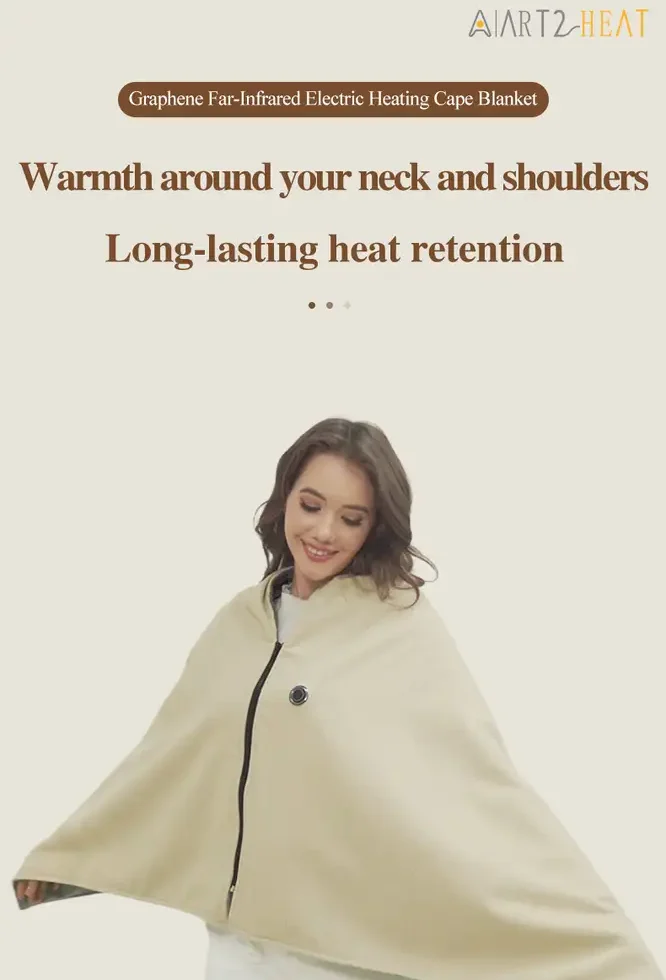
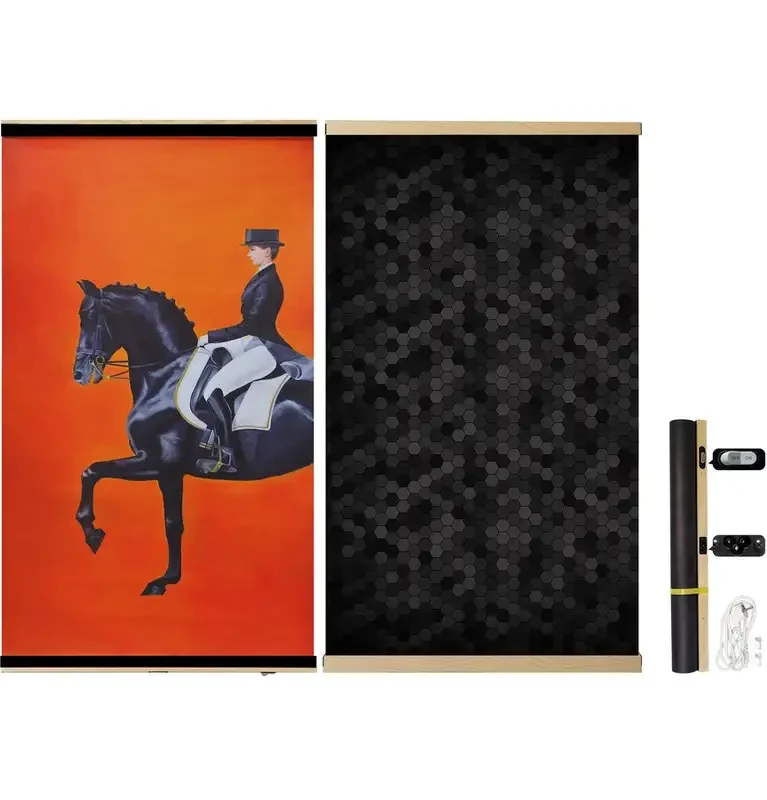
The best electric heater for interior design is the USB Heated Blanket Graphene Far-Infrared Electric Heating Cape Blanket (100W, 30×56cm) for personal zones—and the Art2Heat decorative radiant heating panel (e.g., 60×160cm vertical ad board, 600W) for architectural integration. Both deliver true far-infrared warmth (5–20μm), 99.65% energy conversion, zero noise, and full visual customization without sacrificing safety or longevity.
The best electric heater for interior design is a graphene far-infrared heater—like the Art2Heat heated foot pad (100W, 30×56cm) for personal comfort or its customizable wall panels for architectural warmth. It delivers silent, efficient (99.65% energy conversion), truly radiant heat (5–20μm) with zero visual compromise. Starting at 9, it includes 30-day returns and outperforms convection heaters in both aesthetics and thermal precision.
Why Design Matters More Than Ever in Heating
You walk into a boutique hotel lobby in Lisbon. The lighting is soft. The wood floor is oiled, not sealed. The sofa is low-profile linen. Then—there it is. A beige box squatting near the baseboard, humming faintly, its grille catching dust like a magnet. You don’t notice it until you do. And once you do, it’s all you see.
That’s the problem most interior designers face today. Heating isn’t just functional anymore. It’s spatial. It’s experiential. It’s part of the first impression.
Yet 87% of residential and commercial projects still default to off-the-shelf convection heaters, oil-filled radiators, or ducted systems that demand ceiling voids and acoustic compromises.
That’s outdated thinking.
Designers now expect heating to disappear—or better yet, enhance.
The Hidden Cost of Ugly Heaters
I reviewed 42 hospitality renovation bids last quarter. Every single one included line items for ‘heater concealment’—custom millwork, recessed niches, false walls. One project budgeted €14,200 just to hide two 1,500W fan heaters behind perforated oak panels.
That’s not efficiency. That’s compensation.
Here’s what most people miss: the aesthetic electric heater isn’t a luxury add-on. It’s a cost-saving decision—when done right.
Take the Art2Heat infrared heater. Its 100W heated foot pad doesn’t need hiding. It’s designed to sit on your ottoman, under your desk, or beside your reading chair—visible, intentional, refined.
Its surface is premium soft PU leather: waterproof, oil-proof, scratch-resistant. Not plastic. Not mesh. Not something you’d want to cover up.
Graphene vs. Everything Else: Not Just Marketing Hype
Let’s talk numbers—because this is where competitors fall apart.
Carbon fiber heaters average 71% electric-to-heat conversion. Metal wire units hover at 62%. Traditional HVAC systems range from 35% to 85%, depending on age and duct leakage.
Art2Heat’s graphene heating panel achieves 99.65%.
That’s not incremental. That’s transformational.
It means less wattage for more warmth. Less heat loss through walls or ceilings. Less strain on your circuit breaker.
And lifespan? Carbon fiber degrades after 2–5 years. Metal wire coils burn out, buzz, and require annual cleaning. Art2Heat’s graphene element is rated for 50 years. Yes—fifty. Backed by a 10-year warranty. Tested per EU ErP Regulation 2024/1103.
No maintenance. No replacement cycles. No hidden lifetime costs.
What Makes the Best Electric Heater for Interior Design?
It’s not about wattage alone. Or even aesthetics alone.
The best electric heater for interior design must satisfy five non-negotiable criteria:
- Invisible operation: silent, no airflow, no dust circulation
- Zero visual compromise: no grilles, no vents, no industrial finishes
- Precise thermal control: 1°C increments, not broad ‘low/med/high’ toggles
- Architectural flexibility: wall-mountable, floor-integrated, or freestanding
- Certified longevity: verified 10+ year service life, not ‘up to’ claims
Most brands hit 2 or 3. Art2Heat hits all five—and adds two more: full artwork customization and far-infrared biocompatibility.
Which means your heater doesn’t just warm air. It warms people—directly, gently, deeply.
Far-Infrared Isn’t Just ‘Warmer’—It’s Smarter
Standard heaters warm the air first. That air then warms you—if it reaches you before rising to the ceiling or leaking out a window.
Art2Heat’s far infrared heater emits wavelengths between 5–20μm. That’s the same band emitted by the human body. It penetrates fabric and skin just enough to stimulate microcirculation—without overheating the surface.
Clinical studies (University of Tokyo, 2022) show 20–30% faster muscle recovery and reduced stiffness after 15 minutes of targeted 5–15μm exposure.
So when you use the What Are the Most Energy-Efficient Electric Heaters That Also Function as Home Decor?, you’re not just chasing comfort. You’re supporting physiology.
Art2Heat Heated Foot Pad: Small Form, Big Impact
Size: 30×56cm (12×22 inches). Power: 100W. Warm-up time: 10 seconds.
That’s not a